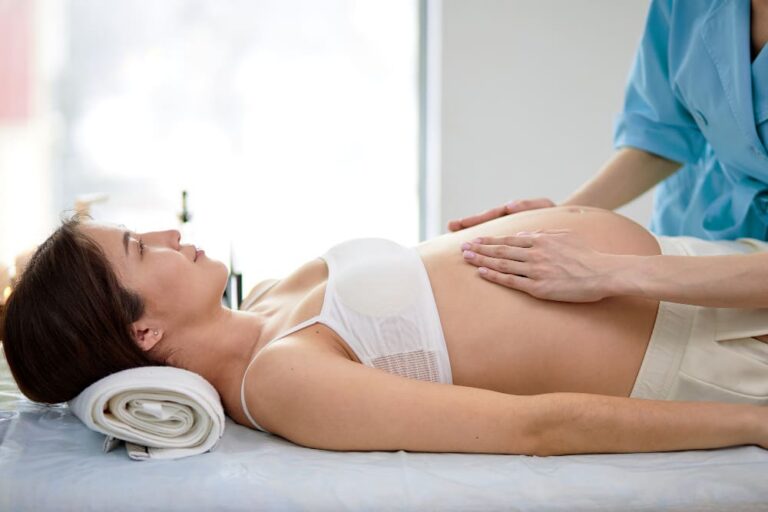
Pregnancy changes the body in many ways, and the back often carries much of the extra strain. As the abdomen grows, posture shifts, muscles stretch and the pelvis prepares for childbirth. These changes can lead to back pain during pregnancy, ranging from a mild ache to discomfort that affects walking, sitting or sleep. Most cases relate to normal physical changes and improve with simple care.
However, some symptoms need medical attention. Knowing what causes pregnancy-related back pain, what helps and when to seek professional support can make each stage of pregnancy easier to manage.

Is Back Pain During Pregnancy Normal?
Back discomfort is common during pregnancy. More than half of pregnant women experience some form of lower-back pain, particularly as the pregnancy progresses. The extra weight of the growing uterus, changes in posture and softer ligaments all place new demands on the muscles and joints.
Pain may come and go, become stronger after activity or feel worse at the end of the day. Although common, it should not be ignored when it becomes severe or affects normal movement.
How Common Is Back Pain During Pregnancy?
Back pain during pregnancy can begin at any stage. Some women notice discomfort during the first trimester, while others experience it once their abdomen becomes larger.
Pelvic girdle pain can also develop and may affect the lower back, hips, groin or thighs. It can make walking, climbing stairs and turning in bed uncomfortable.
When Pregnancy Back Pain May Need Attention
Mild pain linked with movement often improves with rest, posture changes and suitable exercise. Medical advice becomes important when pain is severe, continues for several weeks or appears with other symptoms.
Bleeding, fever, painful urination, contractions, numbness or weakness should always prompt medical assessment.
What Causes Back Pain During Pregnancy?
Pregnancy changes how the body carries weight and controls movement. Several factors can work together to create pain around the back, hips and pelvis.
Hormonal Changes During Pregnancy
Pregnancy hormones help prepare the pelvis for childbirth by increasing flexibility in the ligaments. While this process supports delivery, it can also reduce some joint stability.
The muscles around the lower back and pelvis may need to work harder to control movement. This extra effort can contribute to tension, tiredness and discomfort.
Growing Abdomen and Changes in Weight Distribution
As the uterus grows, the centre of gravity shifts towards the front. The abdominal muscles also stretch to make room for the baby.
Back muscles then take on more work to keep the body balanced. This change in weight distribution can place extra stress on the lumbar spine, hips and pelvic joints.
Posture and Spinal Changes
A growing abdomen can change standing and walking posture. Some women lean backwards to balance their body weight, which can increase the natural curve of the lower back.
Poor desk posture, unsupported sitting or long periods of standing may increase the strain.
Pelvic and Joint Changes
The pelvis carries more weight as pregnancy progresses. Hormonal changes can also affect how the pelvic joints move.
These changes may cause discomfort around the sacroiliac joints, pubic bone, groin or buttocks. Pain can increase during walking, stairs or movements that place more weight on one leg.
Muscle Strain and Fatigue
The abdominal, hip and back muscles work together to support the spine. As pregnancy changes this balance, some muscles may work harder than usual.
Long working days, household tasks and limited rest can make muscle fatigue more noticeable.
Daily Activities That Can Worsen Back Pain
Several everyday habits can increase strain, including:
- lifting heavy bags or household items;
- sitting at a desk for many hours;
- standing without changing position;
- twisting while lifting;
- climbing stairs several times a day;
- wearing unstable footwear;
- getting in and out of a car with sudden movements.
Changing these habits can reduce stress without limiting normal daily activity.
Where Does Pregnancy Back Pain Usually Occur?
Pregnancy-related discomfort can affect different parts of the back and pelvis. The location often depends on posture, activity and the tissues under strain.
Lower Back Pain
The lumbar region is one of the most common areas for pain. It may feel like a broad ache, muscle tightness or pressure around the waist.
Pelvic and Sacroiliac Discomfort
Pain may develop near the joints that connect the pelvis and lower spine. Some women feel discomfort on one side, while others feel it across both buttocks.
Mid-Back and Upper Back Pain
Changes in posture and breast size can also affect the middle and upper back. Rounded shoulders and long periods at a desk can increase tension.
Pain That Extends Into the Hips or Legs
Pain may spread from the lower back into the buttocks, hips or legs. Sciatic nerve irritation may cause some cases, but muscles and pelvic joints can create similar symptoms.
Persistent numbness or weakness requires medical assessment.
Back Pain During Pregnancy by Trimester
Symptoms often change as the pregnancy develops.
Back Pain During the First Trimester
Hormonal changes begin early and may affect ligaments before the abdomen becomes large. Fatigue and previous back problems may also contribute.
Severe early pregnancy pain with bleeding, fever or urinary symptoms requires medical attention.
Back Pain During the Second Trimester
The abdomen grows and the body’s centre of gravity begins to shift. Back, hip and pelvic muscles take on more work.
Many women start noticing discomfort after walking, standing or sitting for long periods.
Back Pain During the Third Trimester
Late pregnancy places greater demand on the spine and pelvis. Sleep positions become limited and daily tasks may require more effort.
New backache linked with cramps or regular contractions needs medical review, as it may relate to labour.
What Does Pregnancy Back Pain Feel Like?
Pregnancy-related pain can feel different from one person to another. It may also change throughout the day.
Dull or Aching Lower Back Pain
Many women describe a broad ache across the lower back. It may become stronger after work, walking or household activities.
Stiffness and Muscle Tension
The back can feel tight after waking, sitting or travelling. Gentle movement may reduce stiffness in some cases.
Pain After Sitting or Standing for Long Periods
Keeping one position for too long places continued pressure on the same muscles and joints. Changing position can reduce this stress.
Pelvic, Hip or Leg Discomfort
Pelvic pain may make turning in bed, walking, dressing or getting out of a vehicle difficult. Symptoms can also spread towards the hips or thighs.
How to Relieve Back Pain During Pregnancy Safely
Managing back pain during pregnancy often starts with simple changes that reduce strain while keeping the body active.
Maintain Good Posture
Stand with your weight balanced across both feet and keep the shoulders relaxed. Avoid leaning backwards to compensate for the growing abdomen.
When sitting, support the lower back and keep both feet on the floor.
Stay Active With Pregnancy-Safe Exercises
Suitable exercise can help maintain strength and mobility. Walking, swimming and controlled strengthening exercises may support the muscles around the back and pelvis.
Speak with your maternity provider before starting a new routine if you have pregnancy complications.
Use Proper Sleeping Support
Side sleeping can feel more comfortable as pregnancy progresses. A pillow between the knees may support the hips, while another under the abdomen can reduce pulling through the lower back.
Avoid Heavy Lifting and Awkward Movements
Bend the knees when picking something up and keep the object close to your body. Avoid twisting while lifting.
Ask for help with objects that feel heavy or difficult to carry.
Take Regular Movement Breaks
Long periods of sitting or standing can increase stiffness. Change position, walk for a few minutes or perform gentle movements during the day.
Choose Supportive Footwear
Shoes with a stable base can improve balance and reduce unnecessary strain. Avoid footwear that makes walking unstable.
Use Heat or Cold Appropriately
Mild heat may relax tight muscles, while a cold pack may help some types of discomfort. Keep temperatures comfortable and protect the skin with a cloth or towel.
When Should You Seek Medical Help for Pregnancy Back Pain?
Most pregnancy-related back pain has a musculoskeletal cause, but certain warning signs require prompt medical care.
Severe or Sudden Back Pain
Speak with your healthcare provider if pain becomes intense, develops without a clear reason or does not improve.
Back Pain With Bleeding or Fluid Leakage
Vaginal bleeding or suspected fluid leakage should receive maternity assessment rather than home treatment.
Back Pain With Fever or Painful Urination
Fever, burning during urination or pain around the sides of the back may indicate an infection and needs medical care.
Back Pain With Contractions
Regular contractions, abdominal cramps or increasing lower-back pressure can signal labour or preterm labour.
Numbness, Weakness or Loss of Bladder Control
Major weakness, loss of sensation or changes in bladder or bowel control require urgent medical assessment.
Back Pain After a Fall or Injury
Tell your healthcare provider about significant falls, accidents or injuries during pregnancy, even when symptoms appear mild.
Can a Pregnancy Chiropractor Help With Back Pain?
Some women consider a pregnancy chiropractor when lower-back or pelvic discomfort begins to affect daily movement. Chiropractic care focuses on the musculoskeletal system and may include manual techniques, movement assessment and posture advice.
Research suggests that some patients may experience relief, but the evidence remains mixed. Chiropractic treatment should not replace antenatal care, medical assessment or treatment for pregnancy complications.
What Does a Pregnancy Chiropractor Do?
A chiropractor may examine posture, spinal movement, pelvic mechanics, muscle tension and movements that trigger pain. The assessment should also identify warning signs that need medical referral.
How Chiropractic Care May Support Musculoskeletal Comfort
Manual treatment may help some people manage joint stiffness or muscle discomfort. Outcomes differ, so care should focus on realistic goals such as improved movement or reduced discomfort.
Pregnancy-Adapted Chiropractic Techniques
Treatment positions should accommodate the growing abdomen and changing body shape. The practitioner may adapt techniques according to pregnancy stage, comfort and symptoms.
Individualised Care Based on Pregnancy Stage and Symptoms
A good care plan considers medical history, gestation, previous injuries, daily activities and advice from the maternity team.
What Happens During a Pregnancy Chiropractic Visit?
A professional chiropractic appointment should begin with assessment and discussion before any treatment takes place.
Step 1 – Initial Health and Pregnancy History
The practitioner should ask about symptoms, pregnancy stage, previous injuries, medical conditions, medicines and any pregnancy complications.
Step 2 – Physical and Movement Assessment
The clinician may look at posture, walking, spinal movement, pelvic function and muscle control.
Step 3 – Discussing the Findings
The practitioner should explain the findings in clear language and discuss whether treatment may be suitable.
Step 4 – Creating a Personalised Care Plan
Care may include manual techniques, movement advice and changes to daily habits. Treatment should reflect the patient’s needs rather than follow a fixed programme.
Step 5 – Monitoring Progress and Adjusting Care
Follow-up visits should measure changes in movement, sleep and pain. Treatment should change when symptoms improve or fail to respond.
Is Chiropractic Care Safe During Pregnancy?
Chiropractic care during pregnancy requires careful assessment and suitable techniques. Research into safety remains limited, so treatment should always consider pregnancy stage, symptoms and medical history.
Why Pregnancy Requires an Individualised Approach
No two pregnancies are the same. Bleeding, placental concerns, labour risk and other complications can affect whether manual treatment is suitable.
Choosing a Qualified Chiropractic Professional
Choose a practitioner with recognised qualifications, local registration and experience with prenatal care.
When Additional Medical Evaluation May Be Needed
Medical assessment should come first when symptoms include bleeding, fever, contractions, urinary problems, severe weakness, numbness or trauma.
Chiropractic Care vs Other Options for Pregnancy Back Pain
Several approaches can support musculoskeletal comfort during pregnancy.
Chiropractic Care
Chiropractic treatment may involve manual therapy, movement assessment and posture guidance.
Physiotherapy
A physiotherapist can help with strengthening, pelvic-floor rehabilitation, mobility and movement training.
Prenatal Exercise
Pregnancy-safe exercise can support strength, posture and joint function.
Massage Therapy
Prenatal massage may reduce muscle tension when performed by a practitioner trained in pregnancy care.
Medical Evaluation and Treatment
Doctors and midwives can rule out medical causes and advise on pain relief that suits pregnancy.
Self-Care and Lifestyle Changes
Sleep support, posture, footwear and safer lifting habits may ease mild discomfort without clinical treatment.
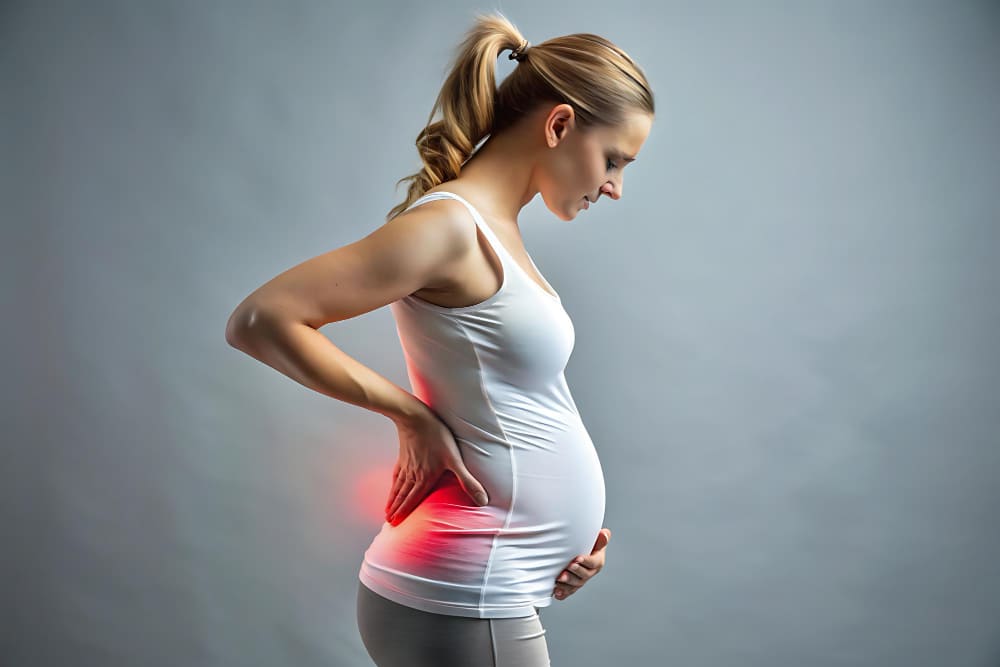
How to Prevent or Reduce Pregnancy Back Pain
Good movement habits can reduce avoidable stress on the back and pelvis.
Maintain Pregnancy-Appropriate Physical Activity
Regular movement can keep muscles active and support joint function. Choose exercises that feel comfortable and suit your pregnancy.
Improve Sitting and Standing Habits
Support the lower back while sitting and avoid placing all your weight on one leg while standing.
Support Your Back While Sleeping
Use pillows to support the abdomen, knees and hips as your body changes.
Avoid Prolonged Static Positions
Alternate between sitting, standing and walking during the day.
Lift and Carry Objects Safely
Bend through the knees, keep objects close and avoid twisting while lifting.
When Should You Consider Seeing a Pregnancy Chiropractor?
A pregnancy chiropractor may form part of your care when musculoskeletal discomfort continues after sensible self-care and medical warning signs have been ruled out.
Persistent or Recurrent Back Discomfort
Pain that keeps returning may benefit from a professional assessment of posture, movement and joint function.
Difficulty With Daily Activities
Seek advice when pain begins affecting walking, stairs, work or household tasks.
Sleep Disturbance Caused by Back Pain
Pain that interrupts sleep can affect daytime comfort and energy. Assessment may help identify positions that increase strain.
Pelvic or Lower-Back Discomfort Affecting Movement
Pain during walking, turning in bed or standing on one leg may require assessment from a physiotherapist, chiropractor or maternity professional.
How to Choose the Right Pregnancy Chiropractor
Choosing a pregnancy chiropractor requires more than finding the closest clinic.
Check Qualifications and Registration
Confirm that the practitioner holds recognised qualifications and meets local professional requirements.
Ask About Experience With Prenatal Care
Experience with pregnant patients helps the practitioner understand changing body mechanics and pregnancy-related precautions.
Look for an Individualised Approach
Avoid providers who offer the same treatment plan to every patient.
Discuss Your Pregnancy and Medical History
Share information about complications, previous injuries, medicines and advice from your maternity provider.
Consider Communication and Follow-Up Care
Choose someone who explains treatment, asks for consent and knows when to refer you for medical care.
Pregnancy Back Pain: When Self-Care Isn’t Enough
Home care may help mild discomfort, but persistent pain deserves assessment. Speak with your doctor, midwife or obstetrician when symptoms keep returning or begin limiting normal movement.
Your healthcare team can rule out medical causes and suggest physiotherapy, exercise, pain management or musculoskeletal care. Seeking help early may also make pregnancy-related pelvic girdle pain easier to manage.
Pregnancy Chiropractor in Kuala Lumpur: What to Consider
If you are looking for prenatal chiropractic care in Kuala Lumpur, focus on professional standards, experience and convenience.
Importance of Convenient Access to Care
Long travel times and prolonged sitting can worsen symptoms. Consider location, parking and appointment availability.
Pregnancy-Focused Chiropractic Services
Look for prenatal assessments, pregnancy-adapted positions and clear referral procedures.
Personalised Care for Different Stages of Pregnancy
Treatment should change as posture, abdominal size and mobility change throughout pregnancy.
What Good Pregnancy-Focused Chiropractic Care Should Include
Quality care should focus on assessment, comfort and communication rather than promises of quick results.
Pregnancy-Focused Assessment
The practitioner should consider pain patterns, pregnancy stage and medical history.
Personalised Treatment Plans
Treatment should respond to the patient’s current needs and progress.
Pelvic and Spinal Assessment
Assessment may include the spine, pelvis, hips and surrounding muscles.
Posture and Movement Guidance
Practical advice can help improve sitting, sleeping, lifting and walking habits.
Conservative and Individualised Care
Treatment should respect comfort and stop when symptoms indicate the need for medical referral.
Conclusion
Back pain during pregnancy is common, but that does not mean you need to accept ongoing discomfort. Good posture, suitable exercise, supportive sleeping positions and safer lifting habits can reduce strain on the spine and pelvis.
Persistent pain may benefit from physiotherapy or assessment by a qualified pregnancy chiropractor, depending on the cause and your medical history. Severe pain or symptoms such as bleeding, fever, contractions, numbness or urinary problems need medical attention. The safest approach combines sensible self-care with professional guidance that matches your pregnancy stage and individual needs.