
Many people live with joint pain without knowing why. People believe osteoarthritis naturally develops as individuals reach their senior years. But bony growths can form on the edges of bones. These growths are called bone spurs. The condition leads to body pain and prevents you from moving at your usual level. The good news is that good care exists. Many cases do not need surgery at all.
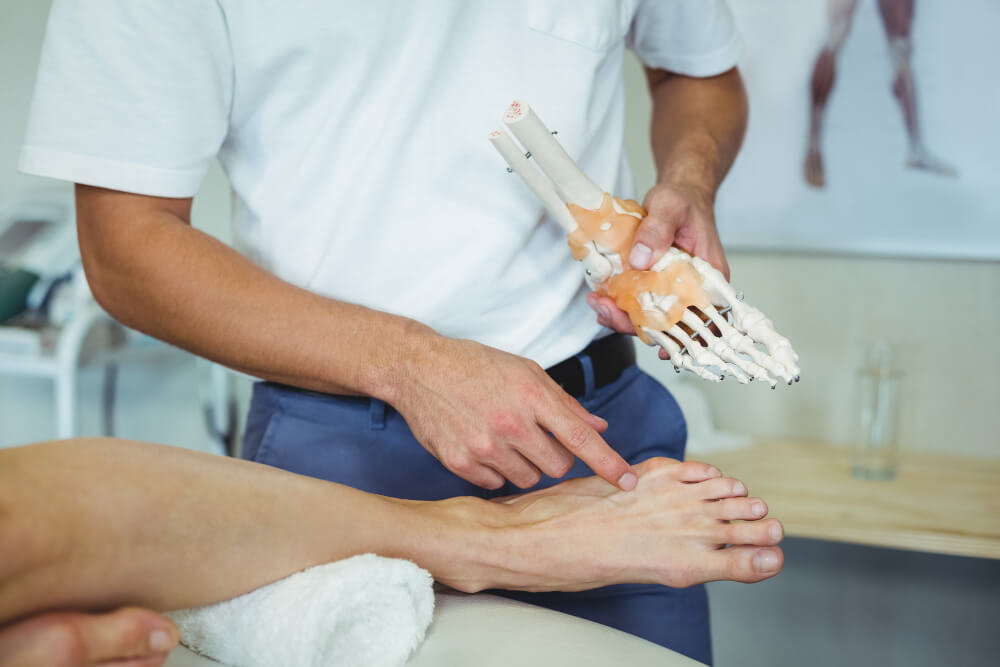
Several treatments can help manage the pain. The article describes bone spurs treatment through its medical condition characteristics and its physical signs, which patients need to understand. The article shows people how to handle bone spurs through basic home remedies which do not involve surgical procedures.
What Are Bone Spurs?
Bone spurs are smooth, bony lumps that grow on the edges of your bones. They often form where two bones meet at a joint. The body makes them as a repair response. This usually happens when a joint has wear and tear. The extra bone tries to protect the area from damage. Bone spurs are very common and often cause no symptoms. But they can press on nerves or rub against tissues. This can lead to pain or stiffness in that area.
Why the Body Forms Them
Your body tries to fix itself when joints feel stress. It adds extra bone to make the joint more stable. This is a natural response to ongoing pressure or injury.
Where They Typically Occur
Bone spurs can grow in many joints. The body most typically develops these growths in three main areas, which include the knees, hips and spine. The neck and shoulders become common areas where these signs tend to show up.
Why They Can Become Problematic
The body faces no danger from these entities, yet they irritate the tissues which exist close to them. The group contains nerves together with ligaments and other soft tissue structures. People experience pain and discomfort because the body develops an irritating reaction.
What Causes Bone Spurs?
Long-term joint stress is the main reason they grow. This usually comes from ageing. Other factors include having osteoarthritis. Joint injuries can also cause bone spurs to form. Repeated strain on a joint adds up over time. Jobs or sports that need the same motion are common causes. Body weight also plays a key role. Carrying extra weight puts pressure on your joints. This encourages the body to form these extra growths.
- Osteoarthritis and joint wear – Cartilage breaks down, causing bones to rub against one another. The body adds extra bone to cushion the area.
- Repeated strain – Activities that stress joints over and over can cause growth. Athletes often get them this way.
- Being overweight – Extra weight adds stress to joints like knees. This speeds up wear and tear.
Common Symptoms of Bone Spurs
Many people with bone spurs feel no pain at all. Others will feel discomfort. This depends on the spur’s size and location. The pain feels like a dull ache in the joint. Some people experience stiffness, which tends to appear most strongly during morning hours. The body creates a catching sensation which produces grinding sounds during movement activities. A person should watch for numbness or tingling because it signals an urgent medical situation. The spur creates nerve pressure, which results in this specific medical condition. The joint develops a swollen appearance during certain episodes.
- Joint pain and stiffness – Pain and stiffness are common, especially after rest. Moving the joint may become uncomfortable.
- Limited range of motion – The spur can block normal movement. You may not be able to bend or stretch fully.
- Nerve irritation signs – Pressing on a nerve can cause tingling or numbness. This needs medical attention.
How Are Bone Spurs Diagnosed?
A doctor will start by asking about your symptoms. They will also examine the affected joint. They will check for tenderness and any loss of movement. To confirm the diagnosis, they will use imaging tests. An X-ray is the most common way to see a bone spur. It shows the extra bone clearly. An MRI gives a detailed picture of the soft tissues. This helps show if the spur is pressing on nerves.
- Medical history – The doctor asks about your activities and habits. This helps find the source of joint stress.
- Physical exam – The doctor moves the joint to check for pain. They also feel for swelling around the area.
- Imaging tests – An X-ray shows the bone spur clearly. An MRI shows if it affects nerves.
When Do Bone Spurs Require Treatment?
Not all bone spurs need medical care. In fact, most do not cause any problems. But you should seek care if they cause a lot of pain. Treatment is needed if the spur limits your daily tasks. Numbness or tingling is another sign that you need help. A doctor can help you find relief with bone spurs treatment. This can help you get back to your normal routine. The goal is to manage the pain and restore movement.
- Pain affects your life – If pain stops you from daily tasks, you need help.
- Movement is limited – The joint may not move as it once did. Getting care can improve movement.
- Nerve symptoms – Numbness or tingling means the spur may affect a nerve.
Non-Surgical Bone Spurs Treatment Options
There are many good ways to manage bone spur pain without surgery. These options focus on reducing swelling and relieving pain. Physical therapy can strengthen muscles and improve joint function. Your doctor may also suggest losing weight to reduce joint stress. Simple changes can make a big difference. Many people find relief through these methods.
- Rest and change activities – Reducing joint stress can help manage pain and stop further irritation.
- Physical therapy and exercise – Targeted exercises can improve movement and strengthen muscles to support the joint.
- Weight control – Losing extra weight decreases the load on your joints, especially knees and hips.
How Chiropractic Care Can Help Manage Bone Spur Symptoms
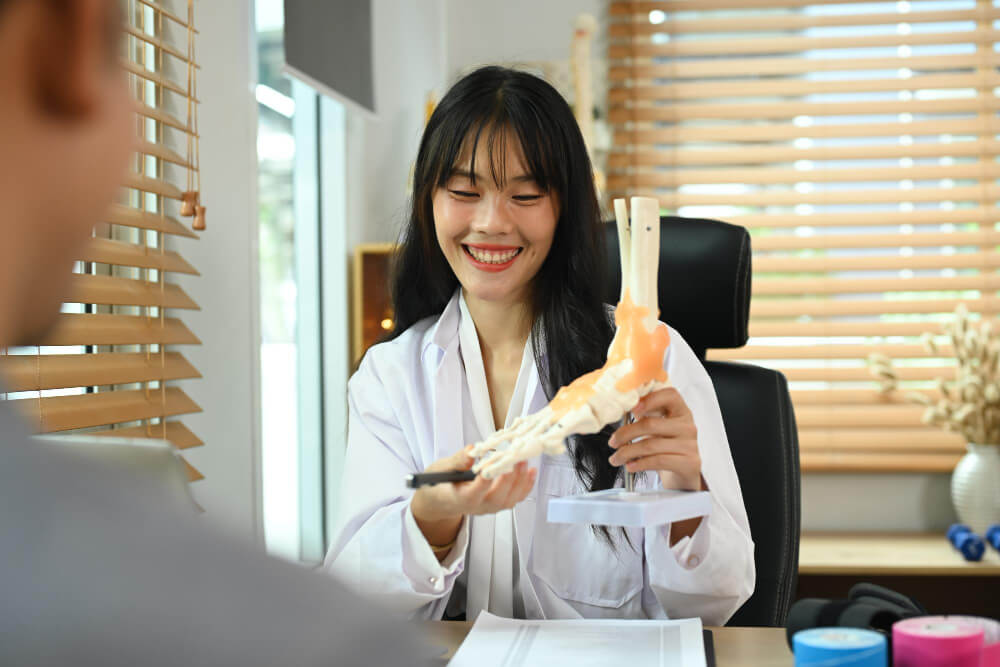
Chiropractic care focuses on joint function and alignment. A chiropractor can help reduce stress on sore joints. Gentle adjustments can improve mobility in your spine. This can relieve pressure on nerves. This type of care is especially helpful for bone spurs in the spine. It promotes natural healing and helps your body work better. It can improve overall movement as a result.
Reducing Joint Stress
Chiropractors use gentle methods to improve joint alignment. This reduces stress on the joints. It can help manage pain and improve function.
Improving Spinal Mobility
Adjustments can help your spine move better. This can relieve pressure on nerves. It is especially useful for spinal bone spurs.
Promoting Natural Healing
Chiropractic care supports your body’s own healing process. It helps your nervous system work better. This can improve your overall well-being.
Bone Spurs in the Spine: Why Early Treatment Matters
Spinal bone spurs create narrow areas which restrict the passage of nerves through their natural pathways. The condition produces pain which starts in your back and then spreads to your right arm and left leg. The symptoms will become more severe when you leave them untreated. Early medical intervention helps protect the body from permanent nerve injuries. Bone spurs treatment enables patients to skip surgical procedures because it provides an effective treatment option. Medical treatment will help you get a better quality of life.
Can Bone Spurs Be Prevented?
You cannot always stop bone spurs from forming. This is especially true if they are due to ageing. But you can take steps to lower your risk. These steps can also help manage symptoms. Keeping a healthy weight is one of the most important things to do. It reduces strain on your joints. Regular exercise keeps your joints flexible and strengthens muscles. Good posture can also help prevent spinal spurs.
- Keep a healthy weight – Keeping weight in a healthy range reduces joint stress. This is very important for knees and hips.
- Exercise often – Staying active keeps joints flexible. Strong muscles support joints better.
- Use good posture – Good posture keeps your spine aligned. This can help stop wear and tear.
When Is Surgery Necessary?
Medical professionals use surgery as their final treatment option when all other treatment options have failed. Doctors recommend this treatment when all other non-surgical options have failed to achieve their intended results. You may need surgery if the pain is terrible and stops you from doing things. If the spur is causing significant nerve pressure, surgery might be necessary. The operation involves removing the bony growth. The treatment allows patients to reduce their nerve and joint stress, which produces better results. Doctors need to perform surgery when the bony spur creates enough nerve compression to need surgical intervention.
What to Expect During Your First Bone Spurs Assessment
Your first assessment will be very thorough. The doctor will review your medical history in detail. They will also do a physical examination. They will ask about your pain and how it affects your life. They want to understand your specific symptoms. Imaging tests like X-rays or MRIs will help them see the issue. This gives a clear picture of the problem. It also helps them make the best plan for you.
- Medical history review – The doctor asks about your symptoms and daily activities. This helps them understand your condition.
- Physical exam – They check the sore joint for tenderness and movement. This helps find the source of pain.
- Imaging tests, such as X-rays or MRIs – show the bone spur and any nerve involvement. This information guides the treatment plan.
Seeking Professional Bone Spurs Treatment in Malaysia
You do not have to live with constant joint pain. Many clinics in Malaysia offer expert, non-surgical care for bone spurs. When you choose a qualified professional, you can expect a plan made for you. They will use non-invasive methods to manage your condition. Professional care can often help you avoid surgery. This lets you return to your daily activities with less pain. Bone spurs treatment is available and easy to find.
Take the First Step Toward Better Mobility
Joint pain should not control your life. There are safe and good ways to manage it. If you think you have a bone spur, it is time to get help. An expert check can show you your options. With the right care, you can improve your comfort and movement. Do not let pain keep you from enjoying your life. Take the first step towards feeling better today.
Conclusion
Bone spurs create joint discomfort, which results in painful sensations when you move your joints. People who suffer from bone spurs can find relief through non-surgical treatment methods. Knowing the causes and symptoms is important. The method enables you to establish proper treatment direction through its evaluation system. The treatment of bone spurs needs to focus on symptom control and joint function restoration. Weight control combined with exercise and therapy serves as an effective solution to help you achieve relief. People who want to avoid surgery have access to various treatment options that do not involve surgical procedures. The correct method will help you achieve better movement skills, which will enhance your life quality.
Frequently Asked Questions
The body creates bone spurs, which stay in place because they do not break down naturally. The pain they cause can improve with non-surgical care. The treatment plan consists of three main components, which include rest and therapy, and patients need to change their daily routines.
People can achieve fast pain relief through the use of ice or heat applications. The solution involves taking pain medications, which people can buy without needing a doctor’s prescription. However, you should consult a doctor for a full treatment plan.
Walking gently enables your body to preserve its joint movement capabilities. You should, however, avoid high-impact activities. The best course of action involves joint rest when you experience pain.
Chiropractic treatment serves as an effective approach to handle bone spur symptoms. The treatment system works to enhance joint positioning while improving their operational ability. The solution will decrease your pain levels while granting you better movement capabilities.


BOOK AN APPOINTMENT

Location
Bukit Jalil, Kuala Lumpur
P-3A-1, Pusat Perdagangan Bandar Bukit Jalil, Jalan Jalil Utama 2, Bukit Jalil, 57000 Kuala Lumpur
Opening Hours:
Monday to Sunday – 10am – 5pm
Equine Park, Seri Kembangan, Selangor
Opening Hours:
Monday to Sunday – 10am – 5pm
Wednesday Closed
Quick Links
Services
Copyright © 2026 ALIVE CHIROPRACTIC. All Rights Reserved.