
A sharp pain shoots through your joint when you move. You wonder what is wrong. The answer might be a bone spur. That is a small piece of extra bone that grows on your normal bone. The good news is that bone spurs treatment Malaysia does not have to mean surgery. You can feel better with gentle and natural methods. This article tells you what bone spurs are. It also shows you how to get relief without an operation.
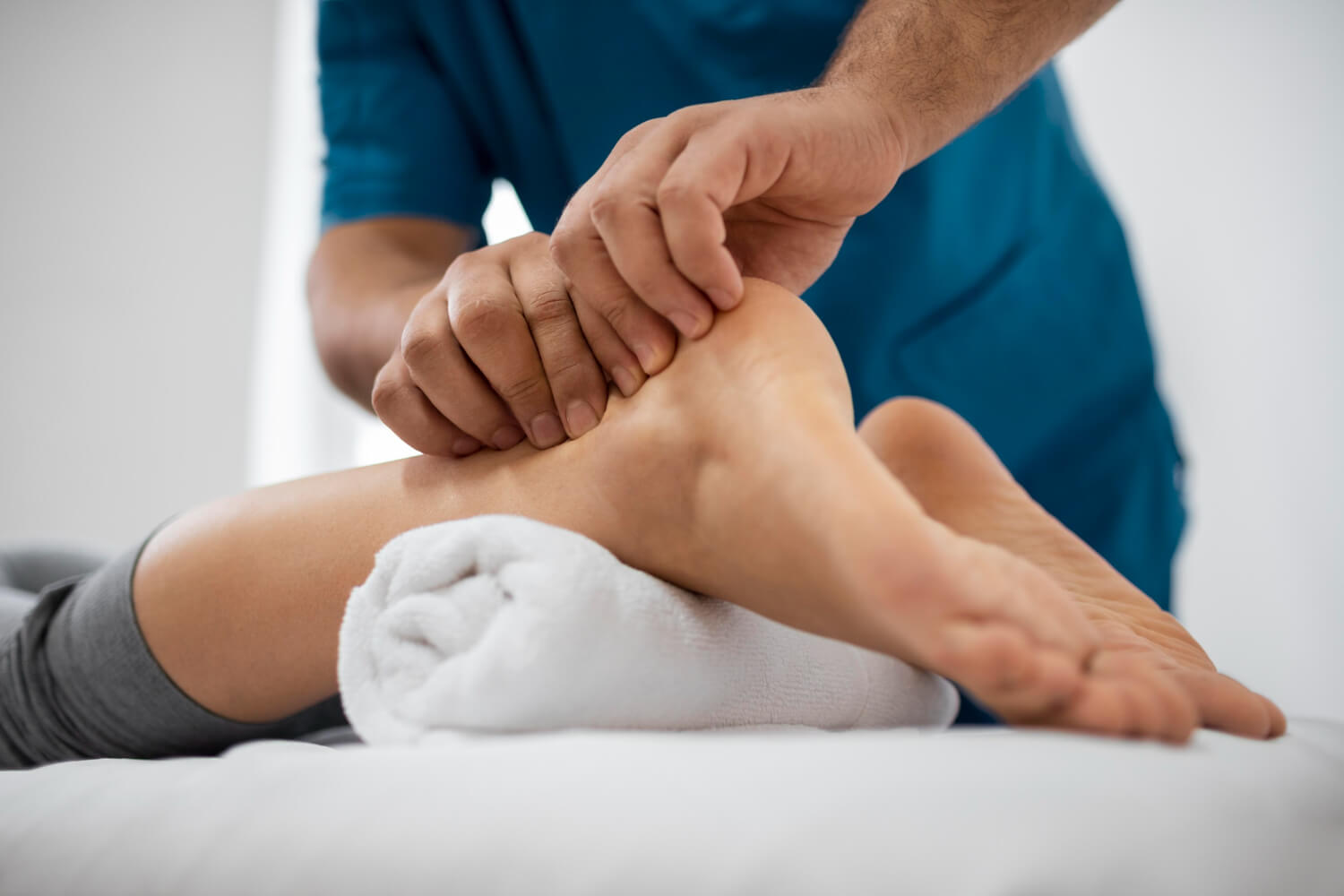
Your body makes a bone spur when it tries to fix a sore joint. Over time, your body adds a small bump of new bone. This bump can rub on nerves and soft parts around it. That rubbing causes pain in your body. It also makes moving your joints hard to do. The parts below tell you why bone spurs happen. You will learn about simple care you can do at home. You will also learn about help from a professional. Bone spur treatment starts when you know what is wrong. Let us look at that now.
What Are Bone Spurs?
A bone spur is a smooth bump of extra bone. It grows on the edge of your normal bones. Your body makes these bumps when bones rub together for many years. The rubbing happens near your joints. A joint is where two bones meet in your body. Your knee is a joint. Your shoulder is a joint, too. Bone spurs can also grow on the bones of your spine. Most people do not know they have a bone spur until pain starts in that area.
Some bone spurs are minuscule and cause no trouble at all. Other spurs grow large and cause big problems. A large spur can press on a nerve in your body. That pressure brings pain to the area. You may feel numbness or weakness, too. Not every bone spur needs care from a doctor. Only the spurs that cause problems need your attention and care.
Common Causes of Bone Spurs
Wear and tear on your joints cause bone spurs to form. As you get older, the soft cushion between your bones breaks down over time. This cushion is called ‘cartilage’ in your body. When cartilage wears away, your bones start to rub together. Your body answers by growing extra bone to make the joint steady again.
- Getting older wears out your joint cushion. Years of walking and moving take a toll on your body. Your body adds new bone to fix the damage as you age. This process happens faster after you turn fifty years old.
- Repeated stress on a joint causes spur to grow. Running or hard work strains the same joints again and again. Your body builds extra bone to handle the heavy load you put on it.
- Joint problems like arthritis start with spurs forming. Arthritis makes the lining of your joint swell up. That swelling tells your body to make more bone in that spot. The new bone appears as a spur on your joint.
Bad posture can also cause bone spurs to form over time. Standing or moving the wrong way puts uneven pressure on your joints. That pressure wears down your cartilage faster than normal. Your family history plays a role, too. Some families pass down a tendency to get these growths on their bones.
Common Areas Where Bone Spurs Develop
Bone spurs can show up in many parts of your body. Some spots get spurs more often than other spots. The place of the spur decides which symptoms you feel in your body. Below are the five most common areas where these growths appear.
1. Bone Spurs in the Spine
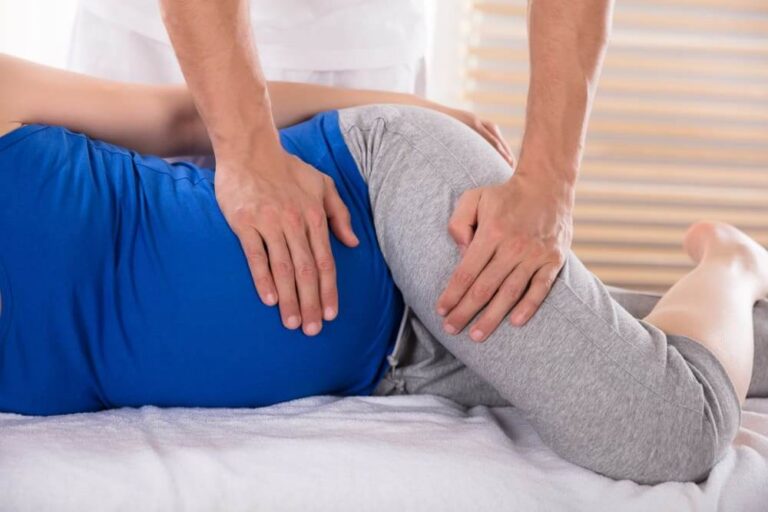
Spine spurs form on the bones of your back. These bones are called vertebrae in your body. The spur grows into the spaces where your nerves travel. It can pinch those nerves and cause sharp pain in your back. This pain may shoot down your legs or arms, depending on the spur.
2. Heel Bone Spurs
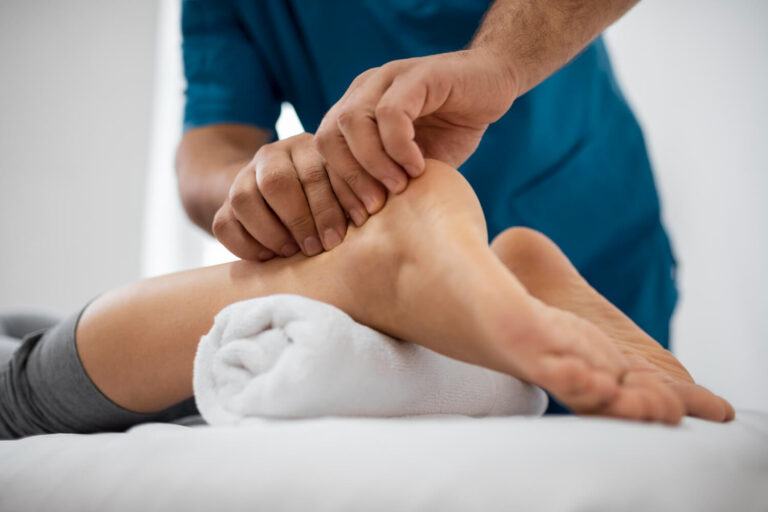
Heel spurs grow on the bottom of your foot bone. They point forward toward your toes on your foot. These spurs often come from tight muscles in your foot. The muscles pull on the bone beneath them. Your body adds extra bone at the points where muscles attach to bones.
3. Neck Bone Spurs
Neck spurs grow on the small bones of your upper spine. That is the part of your backbone near your head. These spurs can press on nerves in your neck. Those nerves go down to your shoulders and arms. You may feel tingling or weakness in your hands from the pressure.
4. Shoulder Bone Spurs
Shoulder spurs grow on the top edge of your shoulder joint. They can rub on the soft parts inside your shoulder. That rubbing makes lifting your arm hurt a lot. Reaching for things on a high shelf becomes challenging to do.
5. Knee and Hip Bone Spurs
Knee and hip spurs form inside these large joints of your body. These joints carry your body weight every day. The spurs can limit how far you can bend your leg. Walking may feel stiff and clumsy to you. These spurs often come along with arthritis in the joint.
Symptoms That May Indicate Bone Spurs
Many bone spurs hide inside your body and cause no symptoms at all. But when symptoms appear, they can affect your entire day. The signs you feel depend on where the spur sits in your body.
1. Localised Pain at the Joint
Pain is the most common sign of a bone spur in your body. This pain starts as a dull ache deep inside your joint. It gets worse when you move that joint or put weight on it. Some people feel a sharp, stabbing pain instead of a dull one. That sharp pain often means the spur is touching a nerve in your body.
2. Stiffness and Reduced Motion
Stiffness also points to a bone spur growing in the area. Your joint may not move the way it should. Bending or twisting that part of your body becomes increasingly difficult to do. You might feel a catch or a grind inside your joint when you move it.
3. Numbness or Tingling Sensations
Numbness or tingling can happen when a spur pushes on a nerve. The spur presses the nerve and blocks its signals. Those signals cannot reach your brain the right way. Your skin may feel prickly in that area of your body. Some people feel weak in the muscles near the bone spur, too.
4. Swelling Around the Affected Joint
Swelling often shows up around a joint that has a bone spur. Your body sends extra fluid to guard the sore area from more harm. This swelling makes your joint look bigger than it should look. Morning hours, when you wake up, often bring the most swelling to the joint.
How Bone Spurs Are Diagnosed
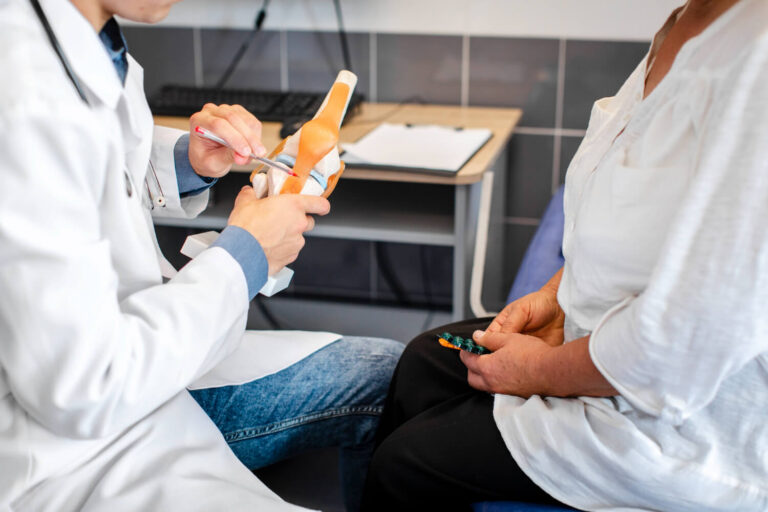
Doctors start with a chat about the pain in your body. They ask where it hurts. They ask what activities make the pain worse for you. This talk helps them find the cause of their trouble. A physical check of your body comes next in the process. The doctor moves your joints to see how well they work. They also test your reflexes and your muscle strength during the check.
Pictures of your bones give the final answer to the puzzle. X-rays show the bone very well on the film. A bone spur looks like a small pointy bump on the X-ray image. Other tests, like CT scans, give even more detail of your bones. These scans show if the spur touches a nerve in your body.
Bone Spurs Treatment Options
You have many ways to treat bone spurs without having surgery. Most people find relief with simple and gentle methods of care. The goal is to lower your pain and help you move better each day. Below are the most common bone spurs treatment paths for you to try.
1. Rest and Activity Modification
Rest the sore joint in your body. It helps a great deal over time. Stop doing the moves that cause pain in that joint. Switch to activities that do not stress the area so much. Swimming works well for most people. Walking on flat ground works well for your joints, too.
2. Physical Therapy
A physical therapist teaches you special moves for your body. These moves build up weak muscles around your sore joint. Strong muscles take pressure off the joint where the spur sits. The therapist also shows you how to move without pain each day. These lessons can stop the spur from getting worse over time.
3. Anti-Inflammatory Approaches
Anti-inflammatory drugs reduce swelling around the bone spur. Less swelling in your joint means less pain for you. But these drugs work best for a short period of time. Long-term use of these drugs requires a doctor to monitor your health.
4. Chiropractic Care
Chiropractors use gentle pushes to fix your joint alignment. Better alignment of your bones takes pressure off the bone spur. Your body then has room to heal itself in that area. Many people find this approach very helpful for their pain.
5. Stretching and Mobility Exercises
Stretch your body every single day without fail. It keeps your joints from getting stiff and sore. Slow and gentle pulls on your muscles improve blood flow to the area. Better blood flow brings healing to the sore spot on your bone.
6. Footwear or Orthotics for Heel Spurs
Special shoe inserts can lift and support your foot arch. This support lowers the pull on your heel bone every step you take. Less pull on the bone means less pain from the heel spur. Many people feel relief within just a few weeks of using them.
7. Surgical Treatment in Severe Cases
Surgery takes the bone spur out of your body for good. Doctors only suggest this step when pain stops all your normal activities. Healing from surgery takes several weeks of rest. Most people try all the non-surgical options first before choosing this path.
How Chiropractic Care May Help with Bone Spurs
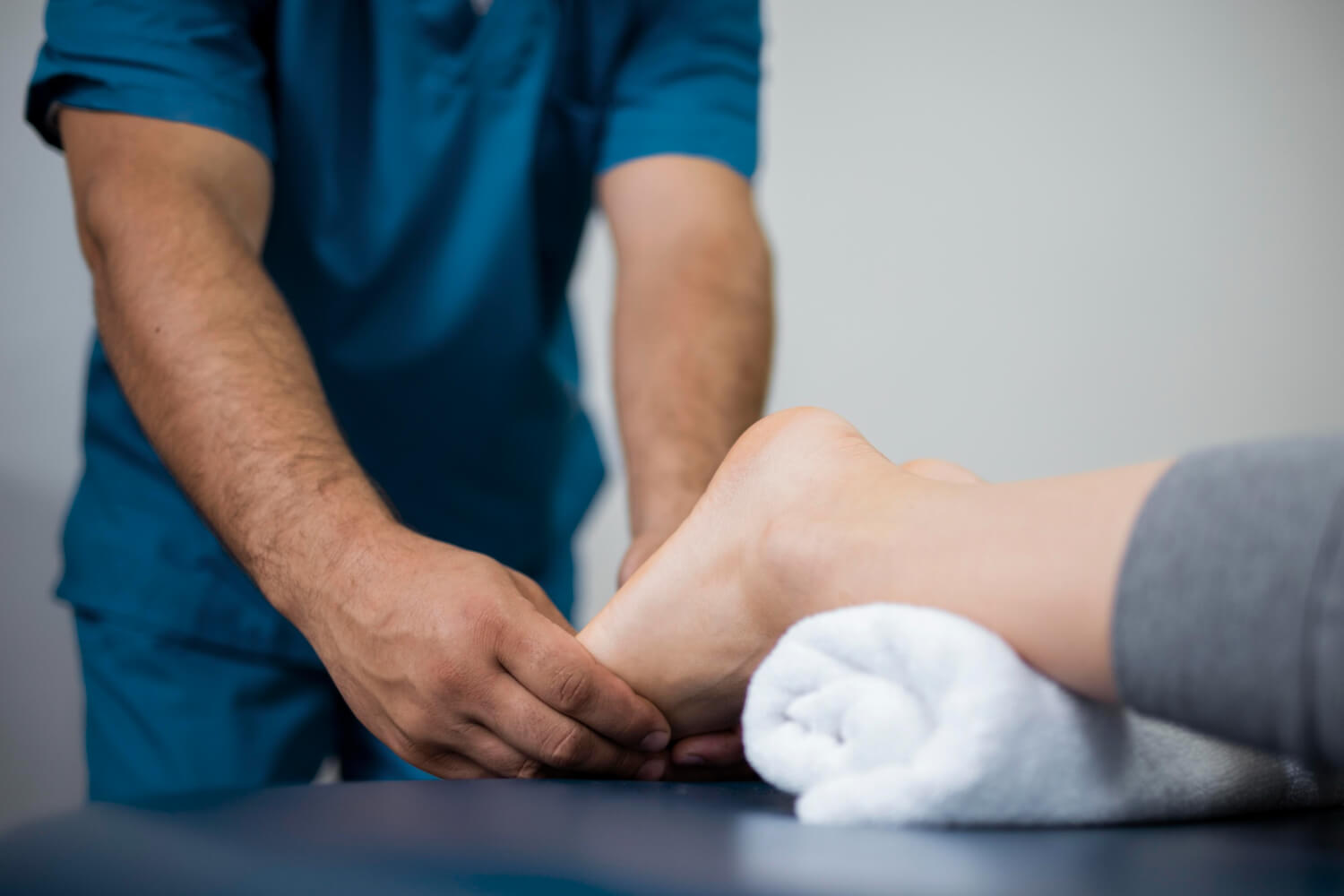
Chiropractic care looks at your whole spine and all your joints. A chiropractor checks how your bones move together as one system. Poor movement in one joint can cause stress on another joint that is far away. That extra stress may lead to bone spurs forming over many years.
The chiropractor uses gentle pushes to fix your joint motion for good. These pushes are called adjustments in chiropractic care. Adjustments take pressure off the places where spurs like to form. With less pressure on those spots, your body stops adding extra bone. Current spurs on your body may hurt less, too, after adjustments.
Chiropractic care also fixes your posture over time. Good posture spreads your weight across all your joints evenly. This is the best long-term bone spurs treatment plan for your body. Many people go to a chiropractor and do home exercises too. This mix of care gives the best results for your pain.
Lifestyle Tips to Help Manage Bone Spur Discomfort
You can do many things at home to keep bone spur pain low. These small habits lead to significant relief over many weeks. A little bit of care each day works best for your body.
- Maintain a healthy weight that is appropriate for your body size. Extra pounds press down on your knees, hips and spine. Losing even a little weight gives your joints a significant break each day.
- Wear good shoes with soft soles on your feet. Hard and flat shoes send shocks up your legs when you walk. Good shoes soak up those shocks before they reach your joints.
- Put a cold pack on the sore spot for fifteen minutes. Cold lowers swelling in your joint and numbs the pain. Wrap the pack in a thin cloth to protect your skin from the cold.
Drink plenty of water for your body each day. It keeps your joint tissues soft and healthy. Eat foods with calcium and vitamin D for your bones. These foods build strong bones that last a long time. Move your body gently every single day. Too much rest can make your joints stiff and hurt more than before.
When to Seek Professional Care
Some bone spur pain needs a professional to look at it. Do not wait too long to ask for help with your pain. Early care often stops the problem from getting worse in your body.
- Pain that lasts more than two weeks needs a look. Constant pain in your joint means something is wrong inside. A professional can find the cause of that pain for you.
- Weakness or numbness in a limb needs a check. These signs point to nerve pressure in your body. Nerves can only take so much pressure before they get damaged for good.
- Pain that wakes you from sleep needs fast help. Night pain indicates a serious problem in your joint. Pain that breaks your rest needs a fix right away.
A chiropractor or doctor can guide you to the right bone spurs treatment for your body. They will check how you move your joints. They will test your strength in your muscles. Then they will build a care plan just for your unique needs.
Why Choose Alive Chiropractic?
Alive Chiropractic gives natural and gentle care for bone spurs. The team looks for the root cause of your pain inside your body. Each care plan fits your body and your needs for healing.
1. Experienced Practitioners in Natural Healing
The chiropractors at Alive Chiropractic have years of experience with patients. They know how bone spurs form inside the body. They know what makes them hurt more each day. This know-how helps them build good care plans for you. Each plan targets the true source of your pain.
2. Advanced Adjustment Techniques
The team uses modern adjustment methods on your body. These moves are safe and very gentle for you. These moves fix your joint motion without force or pain at all. Your body really likes this light-touch approach to care. Many people feel relief after just a few visits to the clinic.
3. Personalised Home Exercise Programmes
You get simple exercises to do at home between your visits. These moves build up muscles around your sore joint over time. When you have strong muscles, they relieve pressure on the bone spurs in your body. You heal much faster when you mix office care with homework each week.
4. Welcoming and Supportive Environment
The clinic feels warm and welcoming when you walk in the door. The staff answers all your questions with care and patience.
Conclusion
Bone spurs can cause real pain in your body every single day. They can stop you from doing the things you love to do. But you do not have to rush into surgery for relief. Many gentle ways exist to help you feel better over time. Rest helps your joints heal. Stretching helps keep you loose. Good shoes help your feet feel better. Chiropractic care and physical therapy help with severe pain. The key is to start your care early, before things get worse. Ask for professional help when your pain lasts more than two weeks. With the right plan for your body, most people find comfort without ever needing surgery.
FAQs
No, bone spurs do not go away by themselves at all. They are hard bones that stay in your body. Treatment helps with pain and helps you move better around the spur.
Most people feel some help within two to four weeks of starting care. Full relief may take two to three months of steady work. Everybody heals at their own speed.
Yes, a spur left alone can keep pressing on a nerve in your body. That pressure may cause lasting numbness or weakness for you. Early care stops these long-term problems before they start.
No, chiropractors use gentle moves that stay away from the spur itself. Adjustments help your joint move better around the spur. This actually lowers your pain over time.
BOOK AN APPOINTMENT

Location
Bukit Jalil, Kuala Lumpur
P-3A-1, Pusat Perdagangan Bandar Bukit Jalil, Jalan Jalil Utama 2, Bukit Jalil, 57000 Kuala Lumpur
Opening Hours:
Monday to Sunday – 10am – 5pm
Equine Park, Seri Kembangan, Selangor
Opening Hours:
Monday to Sunday – 10am – 5pm
Wednesday Closed
Quick Links
Services
Copyright © 2026 ALIVE CHIROPRACTIC. All Rights Reserved.