
A sharp pain shoots through your knee when you try to stand up. You wonder what went wrong inside your joint. The good news is that good knee pain treatment does not have to mean surgery. You can get better with gentle and natural ways that help your body heal. This article tells you why knees start to hurt. It also shows you how to feel good again without an operation.
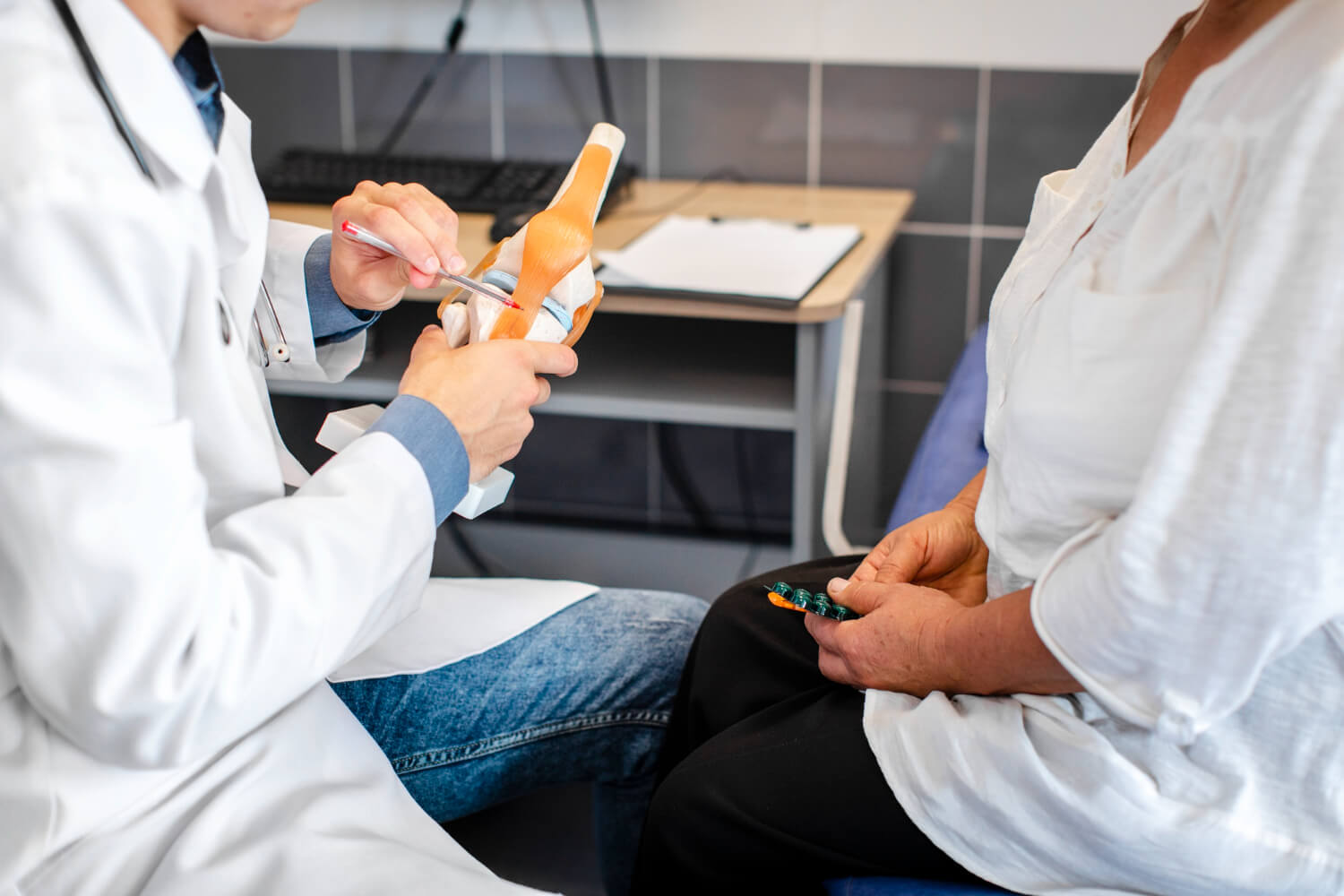
Your knees work hard for you from morning until night. They bend and straighten every time you take a step. Over time, this hard work can cause small problems to grow big. The parts below tell you why knees hurt so much. You will learn about simple care you can do at home. Knee pain treatment starts when you know what is wrong. Let us look at that now.
How Knee Pain Can Affect Daily Life
Knee pain reaches into everything you do from the time you wake up. Getting out of bed becomes a slow and painful process. Walking to the bathroom takes more effort than it ever did before.
Your job can suffer a great deal from ongoing knee troubles. Jobs that require you to stand become very hard to do well. The pain pulls your mind away from your work all day long. Fun things start to slip away from your grasp one by one. A walk with your family turns into a painful duty. This loss of freedom makes many people feel sad and frustrated.
Common Causes Behind Knee Pain
Many different problems can cause pain deep inside your knee joint. Understanding the true cause helps you choose the right path to relief. Below are the main reasons people look for knee pain treatment.
- Arthritis wears down the soft pad inside your knee over time. This pad is called ‘cartilage’ in your body. When the cartilage wears away, your bones start to rub together. This rubbing causes swelling and a grinding feeling.
- Ligament tears happen during sports or quick twists of your leg. These strong bands of tissue can stretch too far or rip apart. A torn ligament makes your knee feel loose and unsafe to stand on.
- Tendonitis swells the thick cords that hook muscle to bone. This problem comes from doing too much jumping or running. The front of your knee below the kneecap will hurt the most.
Extra body weight puts more stress on your knee joints every single day. Poor alignment of your feet or hips can also cause knee pain. Even weak muscles around your knee can lead to pain over time.
Knee Pain Treatment Options
You have many ways to treat knee pain without rushing into surgery. Most people find relief through simple and gentle methods of care. Below are the most common methods for treating knee pain that you can try.
1. Ice and Inflammation Management
Ice packs reduce swelling deep inside your sore knee joint right away. The cold numbs the pain and slows blood flow to the area. Wrap a thin cloth around the ice pack before you place it on your skin. Leave the pack there for fifteen minutes at a time. Repeat this process every few hours for the first few days.
2. Stretching and Strengthening Exercises
Gentle stretches keep your knee from becoming stiff and sore over time. Slow pulls on your leg muscles improve blood flow to the whole area. The joint itself feels less pressure when strong muscles surround your knee. Focus on your thigh muscles and your calf muscles first. These big muscle groups support your knee the most.
3. Physical Therapy Approaches
A physical therapist teaches you special moves to do for your body each day. These moves build up weak muscles around your sore knee. Strong muscles take pressure off the joint where the pain lives. The therapist also shows you how to walk without pain each day.
4. Chiropractic Care for Knee Pain
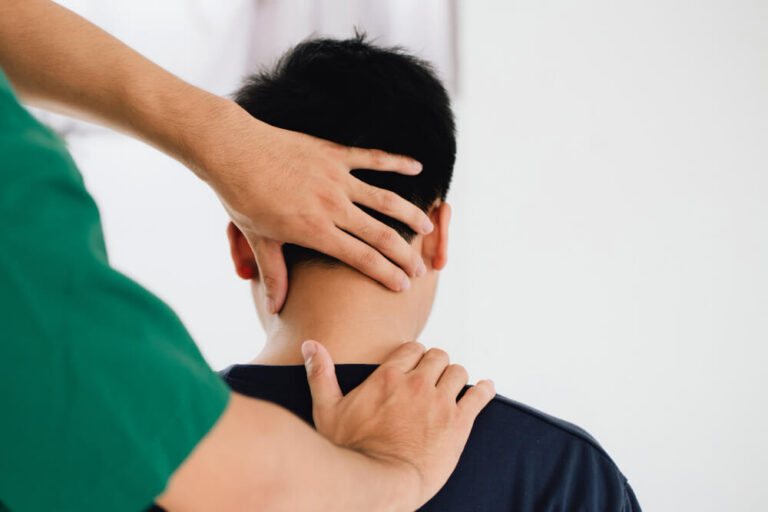
Chiropractors check how your whole leg moves together as one unit. Poor motion in your hip or ankle can put stress on your knee joint. Soft pushes fix these motion problems right at their true source. Better alignment of your leg bones takes pressure off your sore knee for good.
5. Supportive Bracing or Orthotics
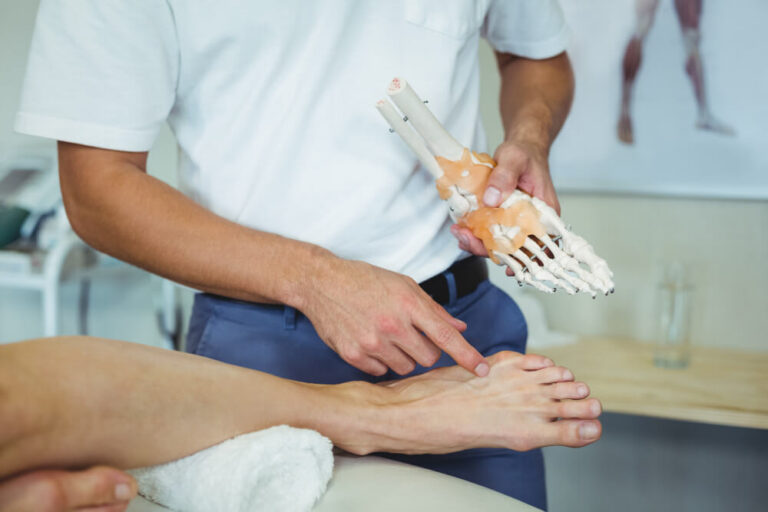
A knee brace gives your joint extra help during daily tasks and walks. The brace stops movements that might cause more pain. Special shoe inserts can lift and support your foot arch the right way. Good arch support changes how your whole leg moves from foot to hip.
6. Medical or Surgical Options for Severe Cases
Doctors may suggest stronger choices when other methods fail. Cortisone shots can reduce swelling inside your knee joint. Surgery replaces the whole knee joint in very severe cases. Most people try all the non-surgical options first before picking this path.
How Chiropractic Care May Support Knee Pain Treatment
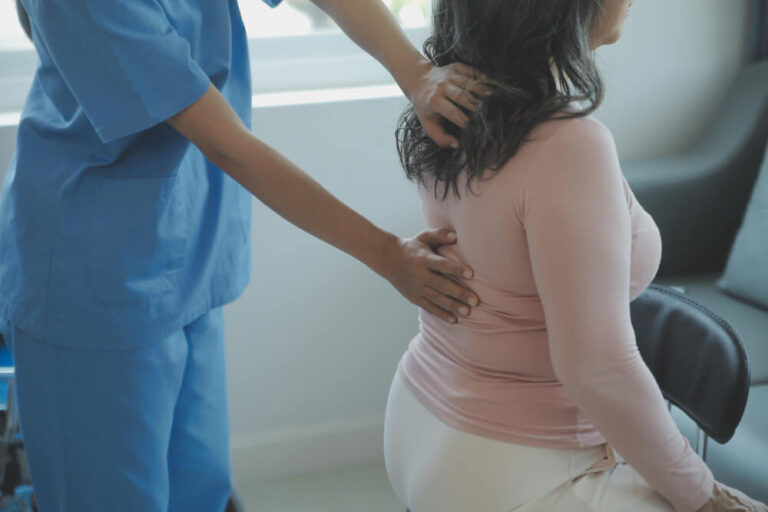
Chiropractic care looks at your whole leg and your back together as one system. A chiropractor checks how your bones move from your lower back down to your foot. Poor motion in your lower back can cause stress on your knee over time.
- Chiropractors check your hip and ankle for hidden problems. A stiff hip can force your knee to twist with every step. Fixing these far-away joints often cures the knee pain directly.
- Soft pushes bring back good motion to your whole leg. The sore spots in your knee joint feel less pressure thanks to these small moves. Less rubbing inside your knee means less pain for you each day.
- Chiropractic care fixes how you walk over time. A smooth walk spreads force across your knee the right way. This even spread allows your body to heal much faster than before.
The chiropractor uses soft pushes called ‘adjustments’. Adjustments take pressure off where pain starts. This is the best long-term knee pain treatment plan for most people.
Exercises and Habits That May Help Reduce Knee Pain
You can do many things at home to keep your knee pain low each day. These small habits lead to significant relief over many weeks.
- Walk in a swimming pool to take weight off your sore knees. The water holds your body up so your joints do not have to work so hard. You can move your legs freely without pain in chest-deep water.
- Straighten your leg while you watch television at night. Tighten your thigh muscles and hold them tight for five seconds. Then let the muscles go and rest. Repeat this move ten times on each leg every evening.
- Sleep with a soft pillow placed between your knees at night. This small pillow keeps your hips in a good line while you rest. Your knee will feel much better in the morning after this small change.
Drink plenty of water for your body each day. Water keeps your joint tissues soft and healthy. Eat foods that fight swelling, like fish and green vegetables. Move your body gently every single day. Too much rest can make your joints stiff and hurt more.
Signs It’s Time to Seek Professional Treatment

Some kinds of knee pain need a professional to look at them. Do not wait too long to ask for help with your discomfort.
- Pain that lasts more than two weeks needs a full look. Pain that stays every day means something is wrong inside. A professional can find the true cause of that trouble.
- Swelling that does not go down with ice needs a check. Swelling that stays for many days means swelling inside your knee joint. This kind of swelling can damage your joint over time.
- Your knee gives way or buckles when you try to stand. This loose feeling points to a ligament problem in your knee. Before you take a bad fall, good care is needed for a loose knee joint.
A chiropractor or doctor can guide you to the right knee pain treatment for your body. They will check how you move your whole leg. Then they will build a care plan just for your needs.
What to Expect During a Knee Pain Evaluation
The first visit starts with a friendly chat about your health. You will tell where the pain lives in your knee. You will say what moves make the pain feel worse. The chiropractor asks about old hurts to your legs.
1. The First Health Talk
You will spend about fifteen minutes answering questions. The chiropractor wants to know when your pain started. They will ask what movements make your pain feel worse. They will also ask what brings you some relief at home.
2. The Body Movement Check
A soft body check follows your health talk. You stay fully dressed for this whole part. The expert tests how well you can bend and straighten your sore knee. Soft pushes are applied to certain spots to find tender areas. They also check your hip and ankle for hidden problems.
3. The Walk Test
The chiropractor watches you walk across the room. Your walking pattern tells them a lot about your knee problem. They look for limps or uneven steps that might cause more strain. Bad walking habits often hide the real source of your knee pain.
4. The Bone Pictures
The chiropractor may take X-rays to see the bones inside your knee. X-rays show if arthritis or old injuries are causing your pain. From these pictures, a clear answer comes out. A care plan is then built just for your body.
Why Patients Choose Alive Chiropractic for Knee Pain Treatment
Alive Chiropractic gives natural and gentle care for people with sore knees. The team looks for the root cause of your pain inside your body. Each care plan fits your body and your needs for healing.
1. Whole Leg Path to Healing
The chiropractors check your knee, hip, ankle, and lower back as one group. Poor motion in any of these spots can cause knee pain. Fixing the real source stops the problem from coming back.
2. Soft Push Methods
The team uses modern push methods that are safe and gentle. These moves fix your joint motion without force or pain. Many people feel relief after just a few visits.
3. Easy Home Moves
You get easy moves to do at home between your visits. These moves build up muscles around your sore knee. Strong muscles take pressure off the joint where pain lives.
4. Warm and Nice Space
The clinic is warm and welcoming when you walk in. The staff answers your questions with care.
Conclusion
Knee pain can stop you from living the life you want each day. Simple jobs become particularly challenging when your knee hurts all the time. But you do not have to rush into surgery for relief. Ice packs help reduce swelling in your sore knee. Stretching keeps your joints loose and moving well. Strengthening builds muscles that support your knee. Chiropractic care fixes motion problems in your whole leg. The key is to start your care early. Ask for professional help when your pain lasts more than two weeks. With the right plan, most people find comfort without ever needing surgery.
FAQs
Some mild knee pain may fade with rest and ice at home. But pain that lasts more than two weeks needs a professional look. Early care stops bigger problems from forming later on.
Most people feel some help within two to four weeks of starting care. Full relief may take two to three months of steady work. Everybody heals at their own speed.
Gentle exercise like swimming or walking on flat ground is usually safe. Stop any move that causes sharp pain in your joint. Ask a professional which moves fit your condition best.
Yes, chiropractic pushes improve how your whole leg moves together. Better motion takes pressure off the sore spots in your knee from arthritis. Many people with arthritis find lasting help through this gentle care.
BOOK AN APPOINTMENT

Location
Bukit Jalil, Kuala Lumpur
P-3A-1, Pusat Perdagangan Bandar Bukit Jalil, Jalan Jalil Utama 2, Bukit Jalil, 57000 Kuala Lumpur
Opening Hours:
Monday to Sunday – 10am – 5pm
Equine Park, Seri Kembangan, Selangor
Opening Hours:
Monday to Sunday – 10am – 5pm
Wednesday Closed
Quick Links
Services
Copyright © 2026 ALIVE CHIROPRACTIC. All Rights Reserved.