
Recovering after childbirth takes time. Your body has been through months of change, followed by labour or surgery. At the same time, caring for a newborn can bring new physical demands when your body is still healing.
During this period, many mothers deal with tiredness, back pain, neck tension, pelvic discomfort or feeding challenges. Choosing the right postpartum services can provide useful support with physical recovery, feeding and everyday activities.

In Malaysia, new mothers can choose from medical care, traditional confinement practices and other professional support. Understanding what each option offers can help you find care that suits your recovery, comfort and changing needs.
What Is Postpartum or Postnatal Care?
Postpartum or postnatal care is defined as the care provided to a woman after childbirth. It normally starts immediately after birth and runs into the first few weeks post-delivery. Nevertheless, some women might require care even after several months because of their body’s adjustment after pregnancy and birth.
The care encompasses both physiological and psychological aspects. For new mothers, postnatal care in Malaysia may include health checks, home visits, feeding support and traditional confinement practices, depending on individual recovery needs. Physicians may also look out for any symptoms of infections, irregular bleeding, among others.
In Malaysia, postnatal care may entail clinic-based or hospital follow-ups, house visits and confinement practices. The choice of postpartum care that will be required by each woman is dependent on her individual birthing experience and other factors such as symptoms.
Why Postpartum Recovery Requires More Than Rest
Resting is vital after childbirth; however, there are many other aspects involved in the process of recovery besides sleeping enough. The body, mind, and emotions may have to cope with pregnancy and birth-related issues along with challenges arising from caring for a baby.
- Physical healing: Time is needed to recover from the process of giving birth and its various forms (natural delivery, caesarean delivery, etc).
- Posture and movement: Feeding, lifting and carrying the baby might cause additional stress on the back, neck and shoulder area.
- Nourishment: Healthy food helps the body regain energy and heal while coping with the challenges of breastfeeding.
- Gentle activities: Proper activities contribute to improving mobility and making life easier.
- Emotional support: Changes in the sleep schedule, hormonal balance, and responsibilities might influence mood and overall emotional state.
A well-rounded recovery plan can help mothers manage these changes while giving their bodies the time and support they need to heal.
Common Physical Challenges New Mothers May Experience
Pregnancy and childbirth can affect the body in many ways, and some changes may continue after delivery. While every recovery is different, several physical concerns are common during the early months.
Lower Back Pain
Pregnancy-related postural alterations may increase the load on the lower back. Postpartum lifting, holding, and feeding may contribute to further pain.
Neck and Shoulder Tension
Looking down during prolonged feeding sessions may cause neck and shoulder strain. Carrying the baby in this position may also add to the stress experienced.
Pelvic Discomfort
There is an intense remodelling of muscles and connective tissue structures in the pelvis that occurs during pregnancy and childbirth. Mothers may experience pelvic soreness or pain while sitting, standing or moving.
Abdominal Weakness
Abdominal muscles become stretched due to the growing baby and require time for muscle tone restoration after delivery. The resulting weakness makes some actions more difficult.
Pelvic Floor Changes
Pregnancy and childbirth can weaken or strain the pelvic floor muscles. This may lead to urine leakage, a feeling of heaviness or reduced control during everyday activities.
How Postnatal Care in Malaysia Can Support New Mothers
The options available through postnatal care in Malaysia can support different parts of recovery, from routine health checks and feeding guidance to physical and emotional wellbeing.
- Regular health check-ups to assess recovery post-delivery
- Feeding and breastfeeding support for mothers who require additional assistance
- Nourishment recommendations to aid in the process of recovery and energy requirements
- Physical recovery through pelvic floor and body movement support
- Confinement support, including some pantang customs
- Emotional and psychological assistance in the transition to becoming a mother
Finding the right combination of support is important for the wellbeing of mothers and allowing them adequate time to recover physically.
Where Chiropractic Care May Fit Into Postpartum Recovery
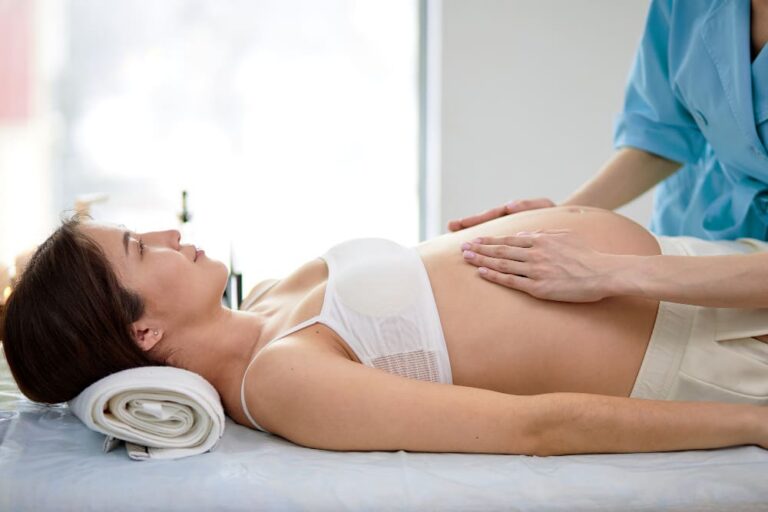
Pregnancy and birth may put additional strain on the back, pelvis, neck, and other joints. In the postpartum period, breastfeeding, lifting, and holding the baby may further strain these parts. Some women may opt for chiropractic treatment when their muscle/joint problems start to interfere with their activities.
The chiropractor is able to evaluate the patient’s posture, joint mobility, and the areas that cause discomfort in order to better diagnose the reasons for the issues. The treatment may consist of the proper chiropractic adjustments as well as some advice on posture and movement.
Chiropractic treatment is only a component of a more comprehensive postpartum program and not a substitute for medical care. Pregnant women with persistent pain, complicated birth, or any other conditions should consult the relevant specialist to obtain the right treatment.
What Can Postpartum Chiropractic Services Include?
Postpartum chiropractic care usually starts with an assessment of how the body has changed after pregnancy and birth. The type of care offered depends on the mother’s symptoms, recovery stage and individual needs.
Posture Assessment
The chiropractor might assess your posture while you sit, stand, and engage in daily activities. It will help detect those parts which might be putting additional pressure on the back, neck or pelvis.
Spinal and Joint Assessment
The spine, pelvis, and other nearby joints can be assessed for mobility and any sensitive areas. These assessments can aid in deciding whether a treatment course is needed.
Gentle Chiropractic Techniques
Depending on the situation, a chiropractor can apply manual techniques according to the level of comfort and well-being of the mother. Appropriate care should be adjusted to many factors like recent delivery, pain, and the general recovery process.
Movement and Lifting Guidance
The instructions could involve ways of lifting, carrying, and laying the baby with minimal effort. Minor adjustments to the movements in daily life can help avoid repeating pressure on healing spots.
Feeding Posture Advice
The long periods of time spent feeding could cause tension on the neck, shoulders, and back. Advice on proper posture could ease the feeding process.
When Should a New Mother Seek Professional Assessment?
Soreness and fatigue are quite natural following childbirth in the first few weeks. But persistent pain, worsening pain or pain affecting daily activities could mean there is a problem which requires professional assessment in order to discover the source of the problem and appropriate treatment.
Professional assessment would be advisable if any of the following apply:
- Back pain, neck pain, or pain in the pelvic region that doesn’t go away
- Pain that affects walking, sitting or sleeping
- Pain when nursing, lifting, or carrying your child
- Persistent weakness or difficulty moving back to your normal range of movement
- Pelvic floor problems, such as leaking, heaviness, or pressure
If you suffer severe pain, vaginal bleeding, fever, chest pain, breathing problems or any other unexpected problems, see a doctor immediately.
Postpartum Care After Vaginal Birth vs Caesarean Birth
The support available through postnatal care in Malaysia can also differ based on the type of birth, current symptoms and how well the mother is healing.

Recovery After Vaginal Birth
A woman may feel pain, tenderness or swelling around her perineal region after vaginal birth. Other problems which may develop include pelvic muscle weakness due to a prolonged delivery process. Gentle physical activity can be started depending on individual needs.
Recovery After a Caesarean Birth
Cesarean delivery requires an abdominal operation, and hence, the wound as well as the area around the wound requires time to heal. Actions like lifting and getting up from bed might prove to be hard in the beginning. Mothers should follow medical advice before increasing physical activity.
Postpartum Care for Breastfeeding Mothers
Breastfeeding may also bring new physical challenges for a woman’s body after it went through the process of childbirth. Lengthy feedings, constant changes of positions, and lack of proper support may contribute to neck, shoulder and back pain.
Several easy-to-do tips may help to prevent such symptoms:
- Sit in a position that does not cause discomfort to your back;
- Move the baby closer to you instead of bending forward during feedings;
- Use pillows to support your arms, the baby, and your lower back, if needed;
- Alternate feeding positions so as not to cause stress in the same spots every time;
- Have water and other feed items at arm’s reach to minimise turning and stretching.
If pain continues despite changing your position, consider speaking with an appropriate healthcare professional for further assessment and support.
How to Choose Postpartum Services in Malaysia
When comparing postpartum services, focus on the type of support you need rather than choosing a package based only on the number of treatments included.
Check the Provider’s Qualifications
Check the training, professional background, and experience with postpartum mothers. Professionals who are qualified will have clear expectations from you about the treatment possibilities.
Choose Care Based on Your Needs
Start from the area you need help with – breastfeeding, physical discomfort, or pelvic floor repair. This way, it becomes easier to find a service matching your needs.
Ask About the Assessment Process
Learn about the procedure of the initial consultation and how the provider will choose the services that you need. It is important to conduct an assessment prior to anything else.
Consider Your Type of Birth
Inform the provider about whether you have given birth vaginally or through Caesarean delivery and mention possible complications. It will make it easier to customise the services for your recovery process.
Look for Clear Communication
Find someone who can explain the offered care in plain language and answer all your questions. You should know what kind of care they offer, the cost of it, and the further steps.
What to Expect During a Postpartum Chiropractic Appointment
A postnatal chiropractic examination often starts with a discussion about your pregnancy, delivery, and present health concerns. It might continue with an evaluation of your movement pattern before proceeding with the choice of the appropriate type of care.
- Health discussion: You might be asked about your pregnancy, delivery, past injuries, present conditions, as well as any difficulties during your birth process.
- Posture check: It includes an evaluation of the way you sit, stand, and move in order to spot any areas that require additional attention.
- Spinal and joint assessment: Evaluation of your movement pattern, tenderness and pain might be performed in the back, neck, pelvis and other affected joints.
- Treatment discussion: It is important to understand the results of the examination and choose appropriate treatment options before the hands-on care is provided.
- Home guidance: You might get some basic tips on your feeding posture, carrying your baby, and movement.
The appointment should be based on your comfort, symptoms and stage of recovery, with care adjusted to your individual needs.
How Alive Chiropractic Supports Postpartum and Postnatal Care
Alive Chiropractic offers individualised services for women suffering from body pains after delivery and childbirth. The initial consultation includes an evaluation of the woman’s health history, birth experience, posture, mobility and complaints.
Depending on the initial findings, the practitioner can suggest proper hands-on therapy on various body parts like the back, neck or pelvis. This is not a standardised approach to all patients, taking into account every woman’s comfort and condition.
The advice can also be given to perform simple routines like feeding, lifting and carrying babies. This is aimed at helping the mother cope with physical stress and complement the treatment she receives in other sectors.
Conclusion
Recovery after childbirth is different for every mother. While rest is important, the body may also need proper nutrition, gentle movement, medical checks and support for physical or emotional changes. Choosing suitable postpartum services can make this stage easier to manage.
In Malaysia, mothers have access to medical care, breastfeeding guidance, traditional confinement support and other professional services. Chiropractic care may also be considered when back, neck, pelvic or posture-related discomfort affects daily activities.
The key is to listen to your body and avoid rushing recovery. With suitable support and professional guidance when needed, mothers can focus on healing while adjusting to life with their new baby.
Frequently Asked Questions
The first six weeks post-birth are crucial for recovery, but it may take longer for full recovery to occur depending on various factors. These include the nature of birth, overall health, amount of sleep, exercise, and other complications.
The new mom might require medical examinations, healthy food, adequate sleep, assistance with feeding and performing her routine tasks. Certain moms might require additional help like that of pelvic floor care and psychological or physical discomfort relief.
Consult a health professional if your discomfort persists, worsens or interferes with your ability to walk, sleep, feed, or care for your baby. Sharp pain, profuse bleeding, fever, chest pain, or difficulty breathing should be reported immediately.
Some women opt to visit a chiropractor due to back, neck, or pelvic pain after giving birth. Suitability of treatment will depend on your pain and the way you have delivered, and therefore an initial assessment is necessary.
Yes. The Cesarean delivery requires abdominal surgery; hence, the cut and surrounding tissues will take more time to heal. Patients should listen to the instructions from their doctors on lifting, exercising, and any other physiotherapy.


BOOK AN APPOINTMENT

Location
Bukit Jalil, Kuala Lumpur
P-3A-1, Pusat Perdagangan Bandar Bukit Jalil, Jalan Jalil Utama 2, Bukit Jalil, 57000 Kuala Lumpur
Opening Hours:
Monday to Sunday – 10am – 5pm
Equine Park, Seri Kembangan, Selangor
Opening Hours:
Monday to Sunday – 10am – 5pm
Wednesday Closed
Quick Links
Services
Copyright © 2026 ALIVE CHIROPRACTIC. All Rights Reserved.